

Every long marriage goes through a quiet season when the relationship starts to feel more like a routine than a romance. The bills, the children, the in-laws, the daily grind, and the same four walls can make even a good marriage feel ordinary. Many couples panic at this point and assume love is fading. It usually is not. What is fading is novelty, and novelty was never what made the marriage strong in the first place. The spark of a long marriage is not a lightning strike you wait for. It is a small fire you tend. This guide walks through how real couples keep that fire alive after years of marriage, not with grand gestures they cannot sustain, but with small, steady habits that rebuild attention, affection, and genuine enjoyment of each other.
Why the Relationship Can Feel Different
Early attraction is powered partly by novelty. In the first months and years, everything about your partner is new, so attention comes naturally. Marriage eventually becomes familiar, and that is not a failure. You know how your spouse takes their tea, which side of the bed they prefer, and exactly what they will say when the power goes out. Familiarity is the reward of a stable relationship, but it comes with a side effect: the brain stops paying attention to things it can predict. That is why a marriage can feel less exciting even when nothing is wrong.
The goal is not to recreate the first month forever. Couples who chase that early intensity usually end up disappointed, because it was built on not knowing each other yet, which is not a state you can return to. The real goal is to keep choosing curiosity and affection inside a more settled relationship. Mature love does not feel like the early rush. It feels like comfort with warmth, like being known and still being liked. When couples understand this shift, they stop treating the calm of a long marriage as a problem and start treating it as the foundation on which a deeper kind of romance can be built.
There is also a practical reason relationships feel different over time: life gets fuller. Careers, children, aging parents, health concerns, and money pressure all compete for the same hours that used to belong to the couple. In Pakistani and South Asian households, this pressure is often heavier, because couples may live with extended family, host frequent guests, and carry duties that leave little private time. The spark rarely dies from a lack of love. It dies from a lack of space in the day. Understanding this helps couples fix the real problem, which is usually time and attention, not feelings.
Stop Comparing Your Marriage to Year One
One of the most common traps long-married couples fall into is measuring their current relationship against the first year. In year one, you had time, energy, privacy, and curiosity all working in your favor. Ten or fifteen years later, you have history, responsibility, and exhaustion working against you, and comparing the two fairly is impossible. When people make this comparison, the present always loses, and that sense of loss can turn into quiet resentment, as if the marriage itself has failed.
A more honest comparison is your marriage today against your marriage a year ago. Are you kinder than you were? Do you laugh together more often? Have you made any effort to protect time for each other? Small improvements in the right direction matter far more than recreating a past that depended on circumstances you no longer have. Couples who judge themselves by progress instead of nostalgia tend to feel hopeful rather than defeated, and hope is a far better fuel for romance than regret.
It also helps to notice what year one did not have. You did not yet know how your spouse behaves under stress, how they treat their family, or whether they keep promises when it is hard. Now you know all of that, and you are still here. That knowledge is worth more than butterflies. Long marriages have a kind of trust that new relationships cannot offer, and many couples find that once they stop chasing the old feeling, they discover a new one that is steadier and, in its own way, more satisfying.
Pay Attention Again
Familiarity can make people stop noticing each other. You can live with someone for years and stop really seeing them: you stop asking about the book they are reading, you miss that they tried a new hairstyle, you listen to their stories with half an ear while scrolling your phone. This is one of the most common complaints in long marriages, and it is also one of the easiest to fix. Attention is free, and it is extraordinarily powerful. Feeling seen by the person you live with can matter more than any dramatic romantic gesture.
Start with small, deliberate noticing. Ask about something beyond chores and bills: what made them laugh today, what they are worried about, what they would do if they had a free afternoon. Notice a new interest and ask a follow-up question about it. Put the phone down when your spouse talks, not as a grand rule but as a small courtesy you practice daily. These tiny acts of attention tell your partner that they still matter to you as a person, not just as a co-manager of the household.
Attention also means updating your mental picture of your spouse. People change over a decade. The woman who once hated traveling might now dream of a mountain trip. The man who once avoided cooking might now enjoy it. Couples who keep falling into old assumptions, like treating a partner as the person they were at twenty-five, miss the person standing in front of them now. Stay curious about who your spouse is becoming. That curiosity is the engine of long-term attraction.
Real Life Note: One of the biggest reasons couples drift apart is actually talking too much, the same conversations on the phone all day and then the same talk at home. Anyone gets bored of that. This applies to attention too: quality beats quantity. A focused ten minutes of real listening does more for a marriage than hours of distracted chatter. Giving each other a little space keeps the connection fresh, and makes the time you do spend together feel like something to look forward to.
Create Small Rituals
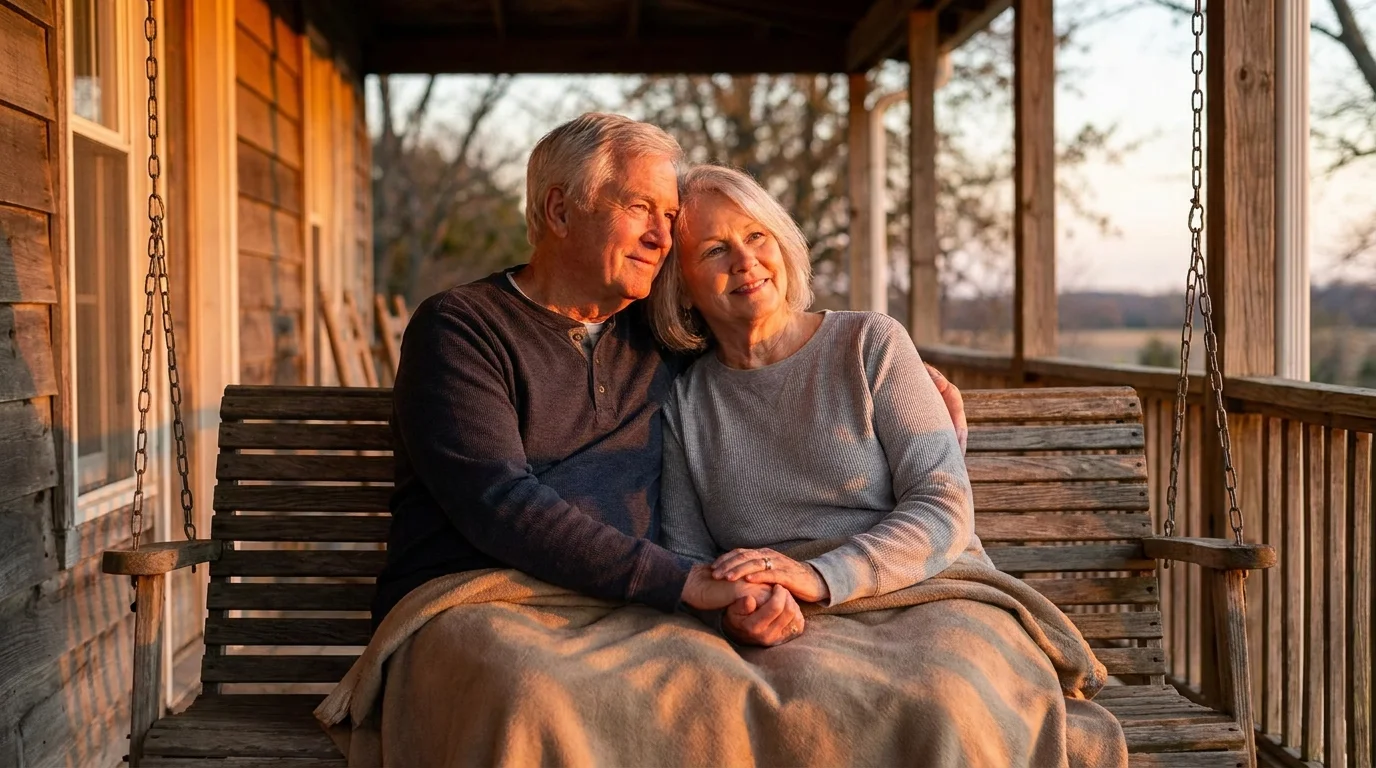
A ten-minute evening walk, morning tea together, a weekly meal without phones, or an inside joke can become a private language between partners. Small rituals are easier to sustain than occasional grand gestures, which is exactly why they work. A grand romantic weekend twice a year cannot compete with a small daily ritual that says, every single day, that you chose each other. Consistency is what makes rituals powerful: they turn affection from an event into an environment.
Choose rituals that fit your real life, not an imagined one. If mornings are chaotic with school runs, pick the evening. If you live in a joint family with little privacy, a ritual can be as simple as a cup of tea on the roof or balcony after dinner, or a short walk around the block when the house is busy. The ritual does not need to be romantic in the movie sense. It needs to be regular, protected from interruption, and just for the two of you. Over time, these small moments become the memories a marriage is built from.
Rituals also help during difficult periods. When couples are going through stress, a fight, or a busy season, the ritual gives them a guaranteed point of contact each day. You might not feel like a long conversation, but you can still have your tea together. That small continuity keeps the thread from breaking completely, and it makes reconciliation easier because you never fully lost the habit of being together.
Bring Back Non-Sexual Affection
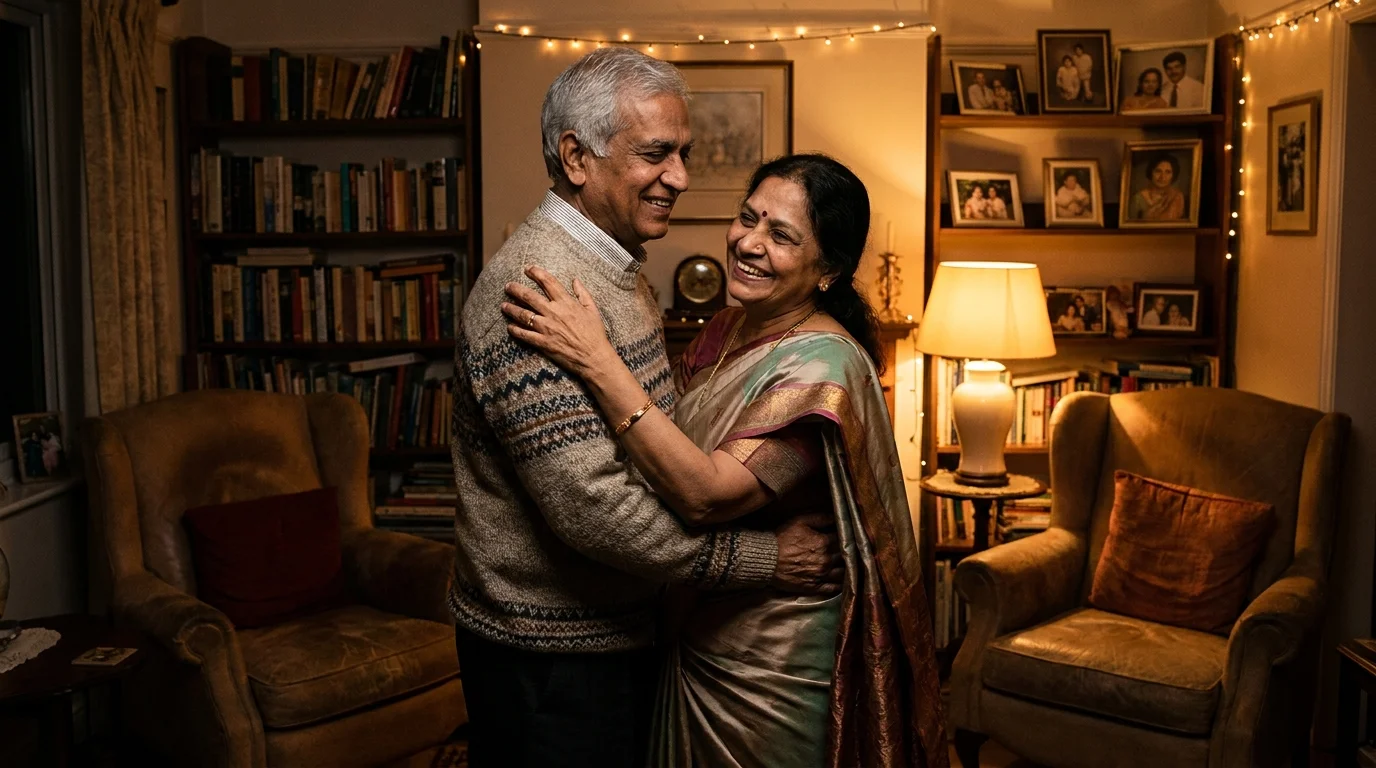
Touch does not always need to lead somewhere. Holding hands, sitting close on the sofa, a longer hug when you come home, or a hand on the shoulder while passing by can restore a sense of warmth without creating pressure. In many long marriages, physical affection slowly narrows until it only appears in the bedroom, and even that may become rare. When all touch disappears, couples can start to feel like roommates, and roommates do not have romantic sparks.
Non-sexual affection matters because it communicates safety and fondness in a way words cannot. A hug that expects nothing says that you like having this person near you, not just that you want something from them. This is especially important when one partner feels that affection only ever leads to pressure. Removing the expectation can actually rebuild desire, because the body starts to associate touch with comfort again instead of obligation. Small touches through the day keep the physical connection warm between the bigger moments.
In many South Asian households, couples are shy about affection in front of elders or children, and that is understandable. But a marriage still needs its private physical language. It can be as simple as holding hands under the table, sitting a little closer during evening tea, or a quick hug behind a closed door. The point is not display. The point is that the two of you still reach for each other. That instinct, practiced daily, is one of the strongest protectors of long-term intimacy.
Try New Things Together
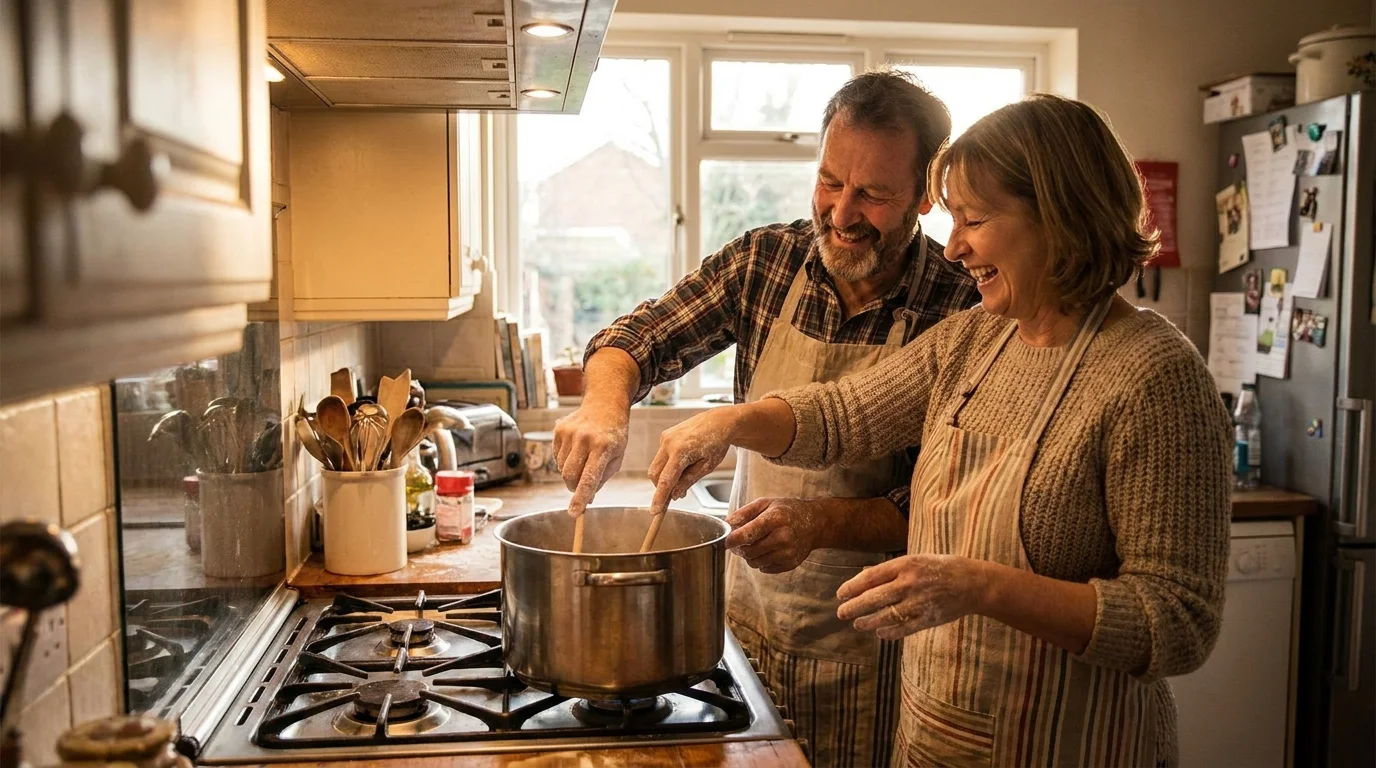
Novelty does not have to mean expensive travel. Research on long-term couples has repeatedly found that trying new things together refreshes attraction, because shared new experiences give the brain something exciting to associate with the partner. Cook something neither of you has made, explore a nearby place you have never visited, start a shared hobby, or simply change a routine you have followed for years. New experiences give couples something new to talk about, which solves one of the biggest complaints of long marriages: that there is nothing left to say.
The key word is together. Individual hobbies are healthy, and every person needs their own interests, but the spark benefits most from shared novelty. Plan it deliberately rather than waiting for the mood to strike, because after years of routine, the mood rarely strikes on its own. It can be as simple as trying a new recipe on Sundays, visiting a different market, learning a card game, or taking a different route on your evening walk. What matters is that you are both beginners at something at the same time. Being beginners together creates laughter, teamwork, and small adventures.
New experiences also create new memories that belong only to the couple. Long marriages sometimes feel like they stopped producing new stories, and every anecdote starts with “remember when we were young.” Shared novelty fixes that. A year from now, you will have new stories to tell, and those stories will be proof that the marriage is still alive and still growing. If you are worried about cost or time, start small. A new dish costs no more than the old one, and a new walking route takes the same ten minutes.
Protect Private Time, Even in a Busy Household
This is the section most Western advice skips, and it matters enormously for Pakistani and South Asian couples. When you live in a joint family, privacy is scarce. Guests arrive unannounced, elders expect company in the evening, children sleep in the parents’ room for years, and the idea of a “date night” can feel unrealistic or even selfish. But a marriage cannot run on zero private time. Couples in busy households need to be more deliberate about togetherness, not less, because nothing in the environment provides it automatically.
Private time does not require going out. It can be a locked bedroom door for twenty minutes after dinner, tea on the rooftop while the family watches television, or a short drive to buy groceries together with no agenda beyond being alone in the car. The important thing is that the time is protected and predictable. When both partners know that a certain slot belongs to them, they can look forward to it during the day, and that anticipation is itself a form of romance. Irregular, stolen moments are nice, but they cannot replace a rhythm.
It also helps to handle the guilt that sometimes comes with this. Wanting time alone with your spouse is not a rejection of your family. A strong marriage actually makes the whole household calmer, including the children and elders. Framing private time as something that keeps the marriage healthy, rather than as a luxury, makes it easier to defend. If relatives comment, a simple and warm response, that this is how you two stay happy, is usually enough. Most families adjust once they see the couple is happier, not more distant.
Real Life Note: In love, the most important thing is trust. Where there is trust, there is respect, and where there is respect, trust grows stronger. The two feed each other. This is the hidden engine behind every tip in this article. Date nights and rituals only work when the couple genuinely trusts each other. If trust has been damaged, repair that first, and the spark has a real foundation to return to. Small trustworthy acts, kept promises, honest words, repeated daily, rebuild both trust and attraction at the same time.
Talk About the Relationship Itself
Ask each other what has been working, what feels distant, and what you would like more of. These conversations can feel awkward at first, but avoiding them does not protect closeness. Many couples discuss everything except the marriage itself: children, money, relatives, plans, but never the direct question of how the two of them are doing. Over years, this avoidance creates a strange situation where two people share a life but have never actually discussed whether they are happy in it.
Couples counselors often recommend a short weekly check-in, sometimes called a “state of the union” talk: one appreciation, one concern, one request, in about fifteen minutes. The format matters because it keeps the conversation balanced and short enough to repeat for years. The appreciation comes first, so the talk does not feel like an ambush. The concern is named early, before it hardens into resentment. The request is specific, like asking for a walk on Friday instead of hinting vaguely that things feel off. Couples who do this regularly report that small problems stop growing into big ones.
Timing matters as much as content. Do not raise relationship concerns during a romantic evening, in front of children, or in the middle of an argument. Choose a calm moment and frame things as your own feelings rather than accusations. There is a large difference between “you never pay attention to me” and “I have been feeling a bit invisible lately, and I would love more of your attention.” The first invites defense. The second invites care. If these conversations have been missing for years, start small and be patient. The skill builds with practice, and it is one of the highest-value skills a long marriage can have.
Handle Unresolved Conflict Before Planning Romance
One gap most spark advice misses: romance cannot grow on top of unresolved resentment. If there is an argument that keeps returning, a hurt that was never addressed, or a pattern that both partners have silently agreed not to mention, no amount of date nights will fix the distance. In fact, romantic gestures can feel hollow or even annoying when a real grievance sits underneath them. Many couples try to reconnect physically or romantically while avoiding the one conversation that actually matters.
The Gottman Institute’s research on long marriages offers a useful reframe here: the goal is not to end recurring disagreements forever, since most couples have a few perpetual issues that never fully resolve. The goal is to handle them more kindly each time. Name the resentment early, before it calcifies. When something bothers you, raise it within days, not months. And when your partner raises something, listen for the feeling underneath the complaint rather than preparing your defense. Couples who repair quickly stay close. Couples who let things pile up drift, no matter how many romantic weekends they schedule.
This is also where honesty about bigger problems belongs. If trust has been broken, if one partner feels checked out, or if affection has been replaced by contempt, that is beyond the reach of tips and rituals. Professional couples counseling is not a sign of failure; it is maintenance for something valuable. If you have noticed the slow drift that happens when couples stop noticing each other, read Signs You Are Growing Apart From Your Partner to understand the warning signs, and if trust itself needs repair, our guide on Husband Wife Trust Issues: How to Rebuild Trust in Marriage walks through that process step by step. Romance works best on a foundation that is already honest.
Frequently Asked Questions
Can the spark return after years?
Yes. Attraction can change over time, but emotional and physical closeness can often be strengthened through attention and shared experiences. The couples who succeed are usually the ones who treat reconnection as a daily practice rather than a one-time fix. Expect progress in weeks and months, not overnight. What returns is rarely the exact feeling of the early days; it is usually something steadier, built on trust and familiarity, and many couples find they prefer it.
Do we need regular date nights?
Not necessarily in the traditional sense. What matters is protected time that feels like connection rather than another task. For couples with young children or joint-family living, a formal date night may be impractical. A locked bedroom door for twenty minutes, tea on the rooftop, or a walk around the block can serve the same purpose. The form matters less than the regularity and the feeling that this time belongs to the two of you.
Why does my spouse seem less affectionate?
There can be many reasons, including stress, resentment, health, exhaustion, or changes in the relationship. Ask rather than assuming. A direct, gentle question in a calm moment will tell you more than weeks of guessing. Sometimes the answer is simple, like work pressure or poor sleep. Sometimes it points to something deeper that needs a real conversation. Either way, curiosity beats assumption every time.
Is it normal to feel more like roommates than lovers?
It is extremely common, especially during the years when children are young or household responsibilities are heaviest. The roommate phase is a signal, not a sentence. It usually means the couple’s time and attention have been absorbed by logistics, and the fix is to deliberately redirect some of that attention back to the relationship. Couples who recognize the pattern early and act on it usually recover well.
What if only one of us wants to work on the marriage?
One partner can still start. Attention, kindness, and small rituals are contagious more often than people expect, and many reluctant partners warm up once they see genuine, pressure-free effort. That said, lasting change works best when both people participate. If your efforts are consistently met with indifference or hostility over months, that is useful information, and a counselor can help you understand what it means for your specific situation.
Final Thoughts
Long-term love is not maintained by permanently recreating the honeymoon. It is maintained by continuing to notice, touch, talk to, and choose the person beside you. The spark after years of marriage looks different from the spark at the start: quieter, more deliberate, and built on thousands of small decisions rather than one big feeling. That is not a lesser version of love. In many ways, it is the real thing the early rush was only pointing toward. Tend the small fire daily, and it will keep you warm for decades.