
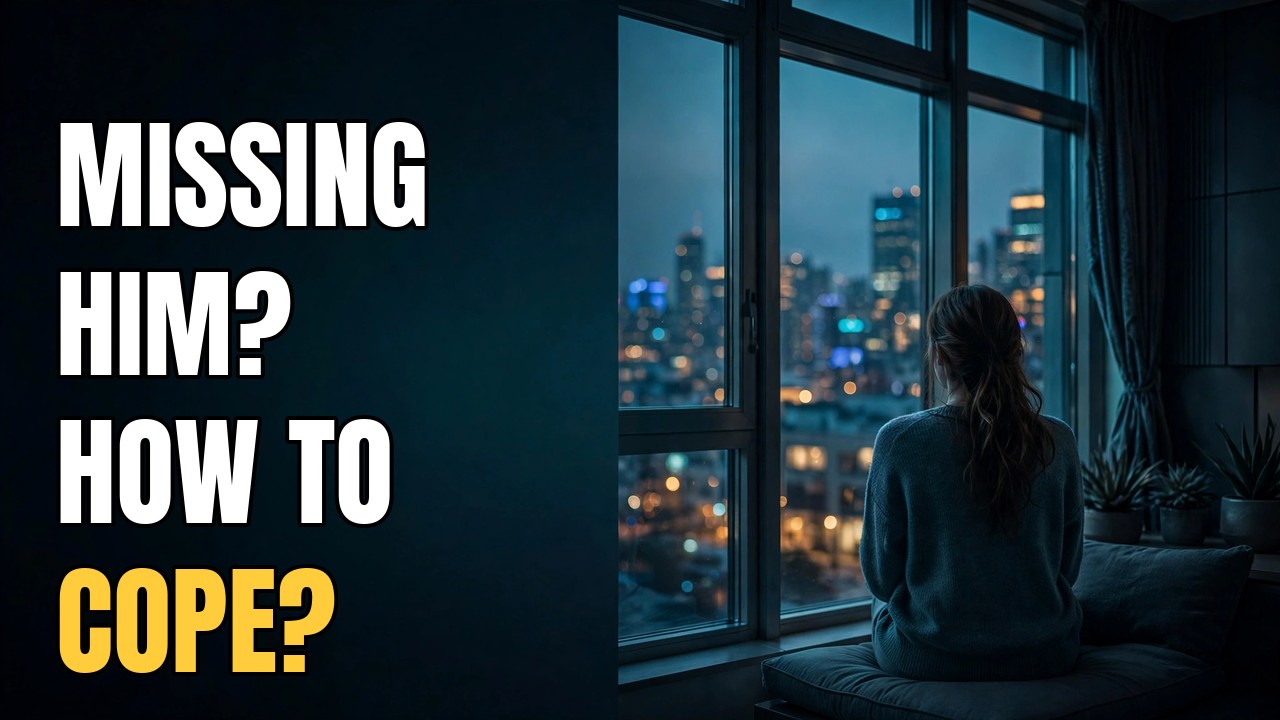
There is a specific kind of loneliness that only exists in a long distance relationship. You are loved. You probably talked to your partner today. And yet, sitting in your room at night with the phone silent, you can feel completely alone. If that sounds familiar, know two things right away. First, this feeling is one of the most normal parts of loving someone across the miles. Second, feeling it does not mean your relationship is failing. It means you are human and you miss the person you chose.
Almost everyone in a long distance relationship feels this way sometimes. What matters is how you handle it. Handled badly, loneliness turns into constant calling, jealousy, or a slow emotional drift. Handled well, it teaches you to feel close without needing constant proof of closeness.
Why Loneliness Hits So Hard Across the Distance
In a normal relationship, affection comes in small daily doses you barely notice. A shared meal. A hand squeezed in traffic. Falling asleep next to someone. These tiny moments do quiet emotional work. They remind you, over and over, that someone is there.
A long distance relationship removes almost all of them. Your connection runs through a screen, on a schedule, and even the best call ends with the same empty room you started in. That is why loneliness can feel sharpest right after a good conversation. The call reminds you exactly what you are missing.
The triggers are familiar. Couples in restaurants. Friends asking when you will finally live in the same city. Anniversaries spent apart, festivals spent on video calls, wedding season in Pakistan spent watching everyone else dance with their partners.
None of this means anything is wrong with you. Loneliness is the price of caring about someone who is not physically present. The goal is not to eliminate it. The goal is to stop it from running your life.
First, Check What Kind of Loneliness You Are Feeling
Not all loneliness is the same, and the kind matters, because each kind needs a different response.
Situational loneliness comes and goes. You feel it on weekends or late at night, but most days are fine. This is the most common kind in long distance relationships, and it usually responds well to small routine changes.
Chronic loneliness sits on your chest most days. You feel empty even right after a long call, withdraw from friends, or lose interest in things you enjoyed. Take this version seriously. It can overlap with low mood or depression, and it is worth talking about with someone you trust.
Relationship-shaped loneliness lives inside the relationship itself. You are lonely not because of the distance, but because the connection feels thin. The calls feel like routine. Your partner seems distracted. This is not about missing someone. It is about missing the relationship you used to have. If this describes you, read the section below on when loneliness is a warning sign.
Naming which one you feel is half the work. Situational loneliness needs comfort and routine changes. Chronic loneliness needs real support. Relationship-shaped loneliness needs an honest conversation with your partner.

Tell Your Partner Without Turning It Into Pressure
Many people hide their loneliness from their partner, not wanting to sound needy. Others report every sad moment, which slowly turns the relationship into a daily guilt briefing. Neither works. Tell them how you feel without making it their job to fix it. “I miss you so much today” is sharing. “You never call enough and I am miserable” is pressure.
It also helps to be specific. Instead of saying you feel lonely all the time, say when it hits hardest. “Nights are the worst for me” gives your partner something concrete to work with. They cannot erase the distance, but they can send a voice note before bed or plan a Sunday call.
Your partner cannot be your only cure for loneliness. If you need constant texting just to feel okay, that is not romance. That is a weight no partner can carry for long. Tell them you are struggling. Do not hand them full responsibility for your emotional state.
Stop Filling Every Empty Minute With Calls
This is the most common mistake in long distance relationships. You feel lonely, so you call. Then you call more. Soon you are on the phone for hours every day until there is nothing left to say. Then the calls feel like a chore, someone starts avoiding them, and both of you feel more distant than before.
It sounds backward, but more talking does not automatically mean more closeness. Two people can talk for four hours and say almost nothing. A twenty minute call where you are both fully present, really listening and laughing, does more than a full evening of background phone noise while you each scroll.
Real Life Note: One of the biggest reasons couples drift apart is actually talking too much. The same conversations on the phone all day and then the same talk at home, and anyone gets bored of that. Giving each other a little space keeps the connection fresh.
A practical rule: agree on one focused call a day rather than being on the phone all evening. Outside that, use short voice notes and texts for the small stuff. You will feel the difference within a week. Our guide on how often long-distance couples should talk goes deeper into finding a rhythm that works for both of you.
Build a Life That Is Full on Its Own
Here is a hard truth that is also a freeing one. If your partner is your entire social and emotional world, the distance will always feel unbearable. The most stable long distance relationships are the ones where each person has a life that is genuinely good on its own, and the relationship is the best part of it rather than all of it.
Start with people. Loneliness shrinks fast when you spend real time with friends. Make plans that do not depend on your partner being available. If you live with family, lean into that instead of treating home as a waiting room between calls. A Sunday with cousins or siblings does more for your heart than a Sunday staring at a quiet phone.

Then rebuild the routines that belong to you alone. A hobby you can lose yourself in. Exercise that burns off restless energy. Work or study that moves your life forward. Sleep at reasonable hours instead of staying up scrolling. Loneliness is always worse when you are tired and bored, because then it is the only thing happening in your day.
Create Closeness Rituals That Fit Real Life
Routine is the enemy of loneliness. When you know something warm is waiting for you at a fixed time, the empty hours stop feeling so endless. The trick is choosing rituals you can both actually keep.
A shared show or book. Watch one episode or read one chapter apart, then talk about it on your daily call. It gives you something to share beyond “how was your day,” which runs dry fast.
The bedtime voice note. Even when a call is not possible, a short voice note before sleep says “you were my last thought today.” Hearing a voice does something a text cannot.
Old-fashioned letters. A real letter, arriving days later, is the opposite of instant messaging. It says you sat down and thought about them for a while. It also survives bad internet days and time zone chaos.

A countdown to the next visit. Of all the loneliness cures, this is the most powerful. Even a tentative date on a calendar changes the feeling of the wait.
Small shared routines. Morning tea over video, a photo of something funny you saw, a playlist you both add to. Nights are usually the hardest hours, so set up a wind-down routine that does not end with you in bed scrolling old photos at 1 a.m.
When Loneliness Starts Turning Into Jealousy
Loneliness and jealousy are close cousins in long distance relationships. When you feel disconnected, your mind fills the gaps with worst-case stories. Who is she with? Why did he not reply for two hours? The suspicion usually says more about your own anxiety than about anything your partner has done.
Watch the line. Healthy concern is about specific things you have noticed. Anxiety is about stories you have invented. If you are checking their online status or re-reading replies for hidden meanings, loneliness has turned into something that is now hurting the relationship.
What works better is honesty with yourself first. Are you upset about something they did, or about the fact that you miss them? Usually it is the second wearing the mask of the first. “I am feeling distant and it is making me anxious” is ten times more useful than “who were you with last night.” If jealousy has become a regular pattern, read our guide to handling jealousy in a long distance relationship.
When Loneliness Is Actually a Warning Sign
Sometimes loneliness is not a symptom of distance. Sometimes it is the relationship telling you something.
Your partner has stopped trying. The calls are shorter. They cancel often. They seem annoyed when you bring up feelings. You feel lonelier after talking to them than before. These are not distance problems. They are interest problems, and distance makes them easier to hide.
You are the only one doing the work. If you are planning every call, sending every letter, and suggesting every visit while they just show up, that imbalance will feel like loneliness even on a call. Love is not supposed to be a solo project.
The future talk has disappeared. Long distance works when there is a shared direction. If conversations about the future now get vague answers, be honest with yourself about what that means. Our guide to honest signs of real love can help you tell a rough patch from a fading connection.
This does not mean every lonely feeling is a red flag. Distance alone can exaggerate all of these. But if the pattern is consistent over months, and you have talked about it openly and nothing changes, trust the pattern. You cannot fix loneliness by holding tighter to someone who is letting go.
Frequently Asked Questions
Is it normal to feel lonely in a long distance relationship?
Yes. It is one of the most common experiences couples report across the distance. Missing someone you love is not a sign of weakness, and the feeling usually comes in waves.
Does feeling lonely mean the relationship is failing?
Not on its own. If your partner still shows up, still cares, and you both still have plans for the future, the relationship is fine. The distance is just hard.
How often should we talk when I feel lonely?
Resist the urge to solve loneliness with more calls. One focused call a day works better than hours of distracted talking. The goal is quality contact plus a full life of your own.
Should I hide my loneliness from my partner?
No, but share it well. Tell them when it hits and what helps, without making it their duty to fix. Occasional honesty builds closeness. Daily pressure builds resentment.
Can loneliness be a sign I should end the relationship?
It can be, alongside other signs. If your partner has stopped trying and you feel lonelier with them than without them, listen to that. But if the love is clearly there and the plan is real, loneliness is just the hard part of the deal, not a reason to leave.
The Quiet Truth About Missing Someone
Missing your partner is not a problem to be solved. It is proof of something working. The couples who survive distance are not the ones who never feel lonely. They are the ones who feel it, name it, talk about it honestly, and keep building good lives at both ends of the line.
So on the next hard night, try this. Tell them you miss them. Put the phone down. And go live the evening you were going to waste waiting. The missing will still be there tomorrow, softer, and the relationship will be stronger for it.
3 thoughts on “How to Deal with Loneliness in a Long Distance Relationship: A Calm Guide”