
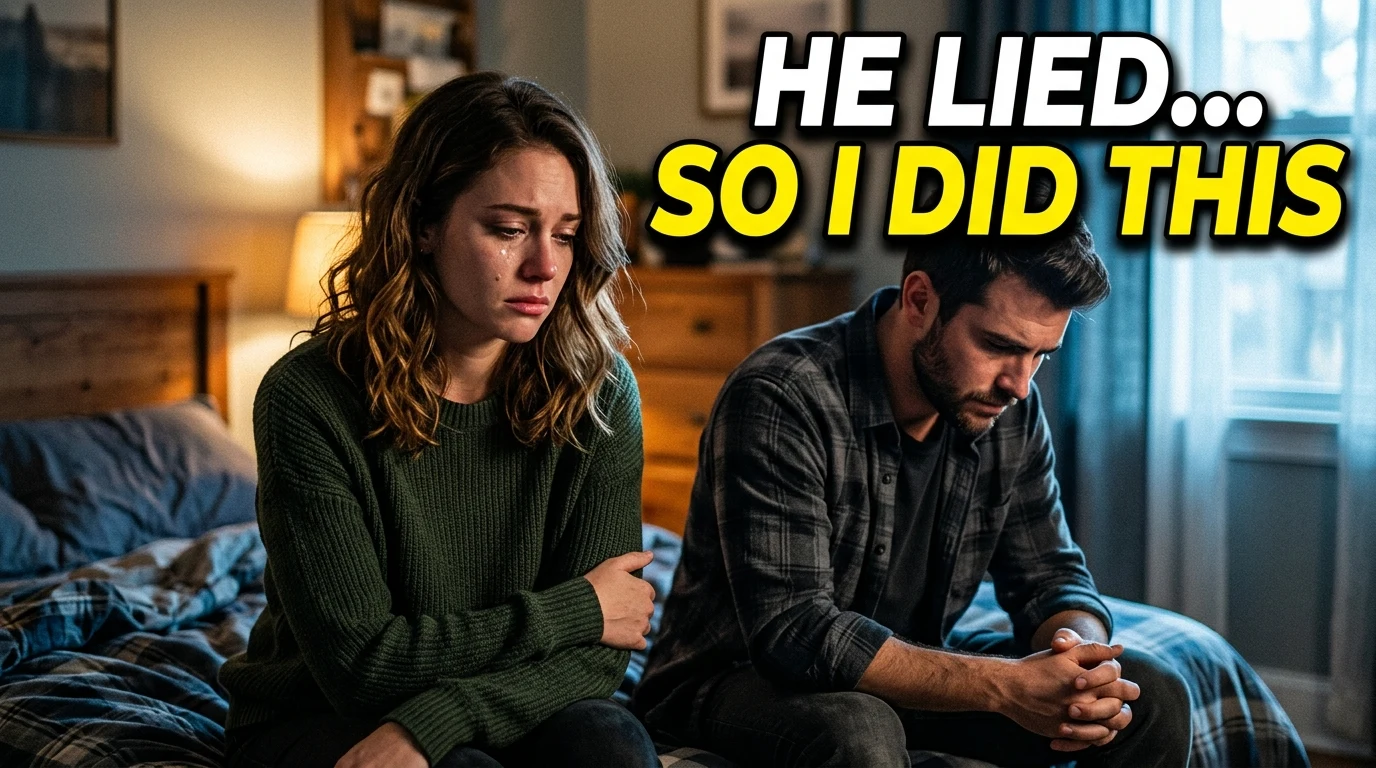
A friend of mine found out her husband had been messaging an old friend on WhatsApp for months. Nothing physical, but enough small lies stacked on top of each other that she stopped trusting anything he said. She asked me once, sitting on my sofa with her tea going cold, whether trust ever really comes back after something like this, or whether you just learn to live with a smaller version of it. I did not have a perfect answer that day. But I have thought about her question a lot since then, and I have watched a few couples actually rebuild something real after being broken by a lie.
This is not only a married couple problem, either. Girls in serious relationships, boys who got caught in a small lie that turned into a big one, divorced women starting over and afraid of repeating the same pattern, even a widow trying to trust again after years of marriage. Everyone who has ever been lied to by someone they loved ends up asking the same quiet question: can this actually be fixed, or am I just pretending it can?
If you are standing at that exact point right now, here is what actually helps rebuild trust after lying. It is based on what has genuinely worked for couples who came out the other side stronger, instead of just staying together out of habit.
What You Will Find In This Article
Why The Lie Happened Matters More Than You Think
Before any trust can be rebuilt, both people need to understand what actually happened, and why. Not the surface reason. The real one underneath it. Sometimes a lie is about avoiding conflict. Sometimes it is fear of disappointing the other person. And sometimes it points to something bigger that was already broken in the relationship before the lie even started. A woman I spoke to said she used to just demand her husband explain himself over and over, but nothing changed until she actually sat back and asked why he felt safer lying to her than telling her the truth. That single shift in the question changed the entire conversation between them.
This does not mean excusing the lie. It means understanding it well enough that you are not just patching the surface while the same root cause sits there, waiting to cause the next one.
Have The Real Conversation, Not Just An Apology
Most people try to fix trust with a single big apology, then hope everyone quietly moves on after that. It almost never works that way. The person who was lied to usually has dozens of smaller questions sitting inside them: why did you delete that chat, whose number was that saved under a fake name, why did your story change three times. These questions need actual answers, not defensiveness, even when the answers are uncomfortable to give.

One couple I know sat down for almost two hours one night and went through every question the wife had, one by one, without either of them walking away or getting defensive halfway through. She told me later that single conversation mattered more than a hundred small apologies would have, because for the first time she actually understood what happened instead of just being told to trust him again.
Trust Rebuilds Through Actions, Not Promises
Anyone can promise to never lie again. The promise itself means very little without consistent proof behind it, over weeks and months. This is usually the hardest part for the person who lied, because they want trust back immediately and get frustrated when it does not return just because they said sorry and meant it. But the person who was hurt is watching patterns now, not words. Are you actually reachable when you say you will be? Does your version of events stay the same the second and third time you tell it? Do you offer information instead of waiting to be caught?

A divorced friend of mine said this was exactly what she watched for when she started dating again, after her own marriage ended over this same kind of betrayal. She was not looking for grand gestures. She was watching whether small, boring, everyday honesty actually held up over time, because that is what she never got before.
Set New Boundaries Around Honesty And Communication
After a lie, some couples find it helpful to openly agree on new boundaries together, instead of one person secretly monitoring the other out of fear. This might mean being upfront about who you are in contact with, not hiding a friendship that could easily be misunderstood, or simply agreeing to answer honestly the first time instead of making the other person dig for the truth. It is not about surveillance, or checking someone’s phone every night. It is about both people agreeing that transparency is the new normal, whether that is a friend’s number saved in your phone or a late night conversation you used to hide.
Couples who skip this step often find themselves right back in the same place months later, because nothing about how they actually communicate ever really changed. Only the apology happened, and then everyone went quiet about it.
Give It Real Time Without Rushing The Process
Trust does not return on a schedule, no matter how much either person wants it to. Some days will feel completely normal, and then something small, an unfamiliar name popping up on a phone screen, a late reply, can bring the old fear rushing back without warning. This is normal. It does not mean the relationship is failing. It means healing is not a straight line. The person who lied has to be patient with this, instead of getting frustrated that trust is not fully restored on their timeline.
I have seen this play out well in couples who stopped counting days since the lie happened, and instead just kept showing up honestly for each other, one ordinary day after another, until eventually the fear started showing up less and less on its own.

The Boring, Honest Work Trust Actually Takes
Rebuilding trust after a lie is slow, uncomfortable, and rarely follows the neat path people expect it to. But it is possible, and it does not require pretending nothing happened, or settling for a smaller, guarded version of the relationship forever. Whether you are dating, engaged, married for years, or starting over after a divorce, the same truth applies. Trust comes back through honest conversations, consistent actions, and real patience, not through one apology and a promise to do better.
If you are in the middle of this right now, be honest with yourself about whether both people are actually willing to do this work, because trust can only be rebuilt by two people, not one person carrying the entire weight of it alone.
If this article helped you see things a little more clearly, share it with someone who might need it right now, and follow RelationBloom for more honest conversations about love, trust, and the relationships worth fighting for.
After being in relationship with markiss for seven years,he broke up with me, I did everything possible to bring him back but all was in vain, I wanted him back so much because of the love I have for him, I begged him with everything, I made promises but he refused. I explained my problem to someone online and she suggested that I should rather contact a spell caster that could help me cast a spell to bring him back but I am the type that never believed in spell, I had no choice than to try it, I mailed the spell caster, and he told me there was no problem that everything will be okay before three days, that my ex will return to me before three days, he cast the spell and surprisingly in the second day, it was around 4pm. My ex called me, I was so surprised, I answered the call and all he said was that he was so sorry for everything that happened, that he wanted me to return to him, that he loves me so much. I was so happy and went to him, that was how we started living together happily again. Since then, I have made promise that anybody I know that have a relationship problem, I would be of help to such person by referring him or her to the only real and powerful spell caster who helped me with my own problem and who is different from all the fake ones out there. Anybody could need the help of the spell caster, his email: drosemudiamenspellhome@gmail.com or https://drosemudiamenspell.wordpress.com/ you can email him if you need his assistance in your relationship.