
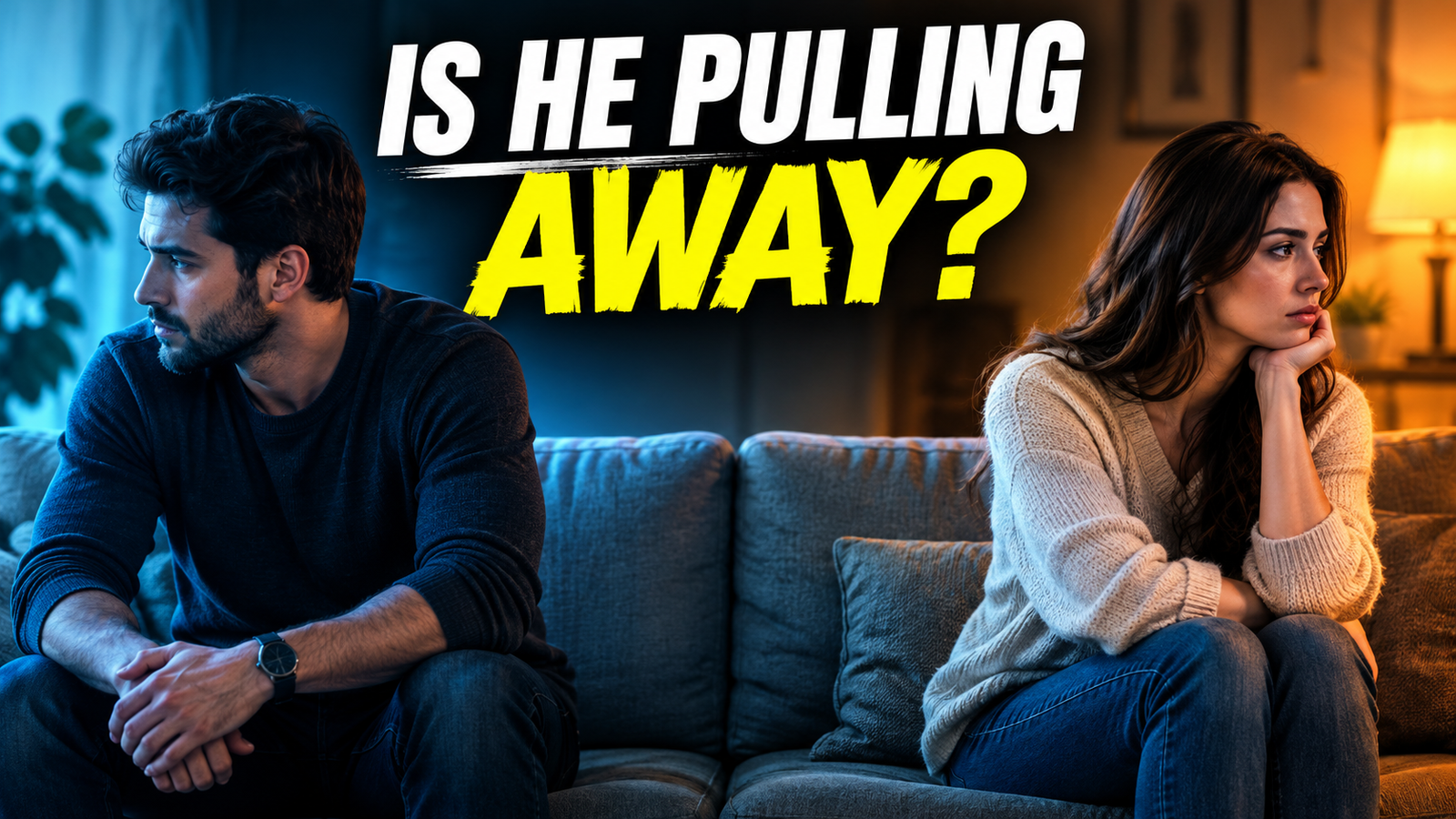
Nobody wakes up one day and decides to stop caring about someone. It happens slower than that, in the small gap that opens up between two people who used to feel close. One day the conversations feel shorter than they used to. The good morning text takes longer to come. The hug at the door feels like a formality instead of something either of you actually wanted. And somewhere in the back of your mind, a question starts forming that you don’t really want to ask out loud: is my partner still in this with me, or have they already started to leave without saying it?
This is different from two people naturally drifting apart together over time. This is about one partner quietly pulling back while the other is still fully invested, and that one-sided distance can be one of the loneliest feelings in a relationship. You’re not imagining it, and you’re not being dramatic. It almost never gets announced. It shows up in patterns, not statements. Once you know what to look for, it gets a lot easier to tell the difference between a normal rough patch and someone who has quietly checked out.
You Talk Less, and It’s Not Because You’re Busy
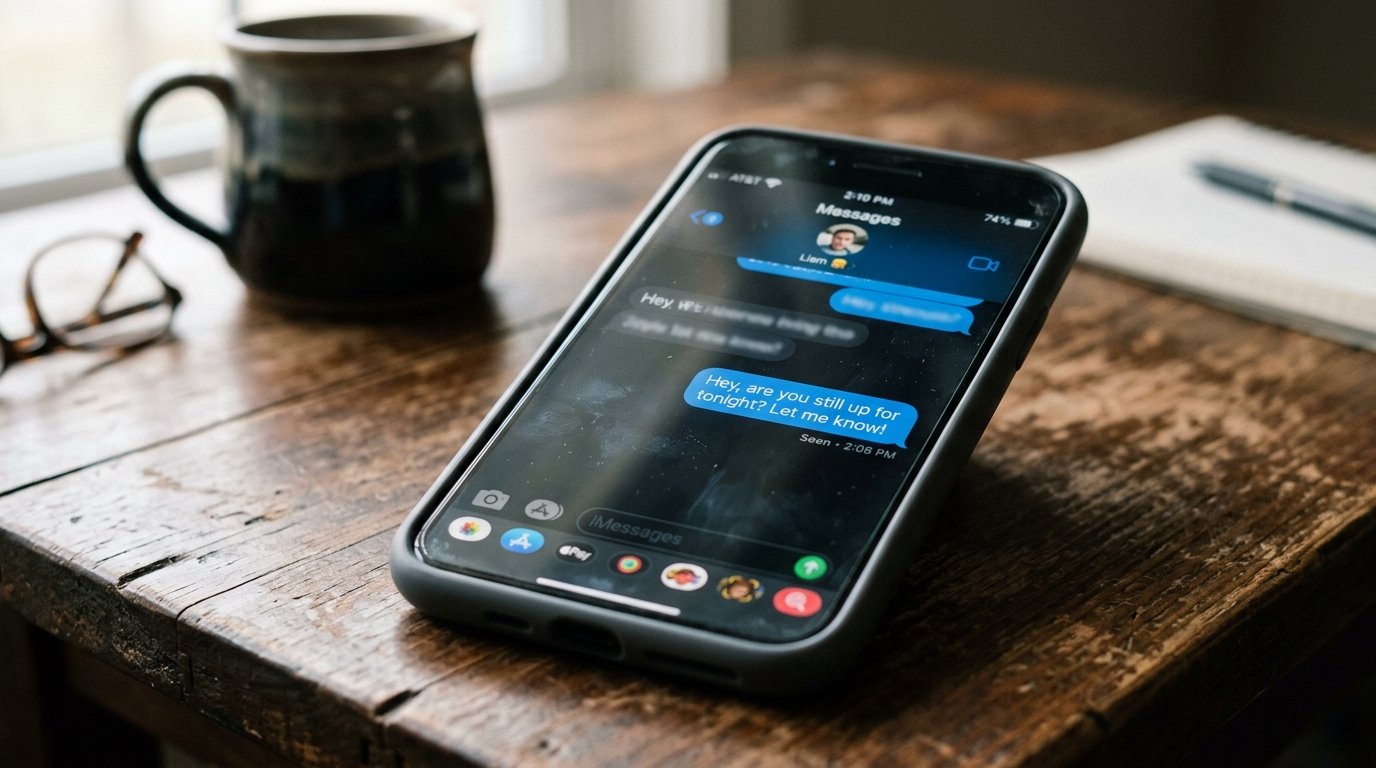
Every couple goes through busy seasons. That’s not what this is about. What matters is whether your partner still wants to fill you in on their day once things settle down, or whether the silence has become the new normal even when nothing is stopping them from talking to you. A partner who is still invested will still want to tell you about the small, boring parts of their day, the annoying coworker, the good lunch, the random thought they had in traffic. When someone stops sharing those little updates altogether, it usually means they’ve stopped seeing you as the person they process life with.
The Little Things Stop Happening
It’s rarely the big romantic gestures that disappear first. It’s the small ones. The text that used to say they were thinking of you. The hand on your back while you’re cooking. Asking how your appointment went and actually waiting for the answer. Psychologists who study relationship patterns often point to these small daily habits, sometimes called bids for connection, as one of the clearest signs of how invested someone still is. When they quietly stop, it’s rarely a coincidence. It’s usually the first visible sign of something that’s already been happening internally for a while.

You’re Always the One Reaching Out First
Think about the last few times you two made plans, whether it was dinner, a call, or just deciding what to watch. Who suggested it? If you’re the one always initiating, always checking in first, always the one who seems to care more about closing the distance, that imbalance is worth paying attention to. A relationship where only one person is doing the reaching isn’t really a two-person relationship anymore, even if it still looks like one from the outside.
Silly Things Start Turning Into Real Fights
This one confuses a lot of people because it feels like the opposite of losing interest. But when someone has quietly pulled away, small irritations they used to brush off suddenly turn into arguments. The way you chew, a joke you make, a minor mistake, all of it starts to grate on them more than it should. That’s often not really about the small thing at all. It’s unspoken frustration and distance finding an outlet, because it’s easier to fight about something trivial than to say I don’t feel connected to you anymore.

Does This Mean the Relationship Is Over
Not necessarily. People pull away for all kinds of reasons that have nothing to do with you specifically, stress, burnout, unresolved resentment, or just growing in a different direction than they expected to. The difference between a relationship that recovers and one that doesn’t usually comes down to one thing, whether both people are willing to talk about it honestly instead of hoping it fixes itself on its own. If you’ve noticed these signs, the healthiest next step isn’t to accuse or panic, it’s to have a direct, calm conversation about where things stand. Say what you’ve noticed without blame, and actually listen to the answer, even if it’s not the one you were hoping for.
If what you’re feeling seems less like one person checking out and more like both of you have slowly drifted in different directions together, that’s a different situation with a different fix, and it’s worth reading about growing apart as a couple instead. And if this pattern of pulling back reminds you of a relationship where the effort was always one-sided from the start, it may be worth looking at why some people keep investing in partners who give less back.
Frequently Asked Questions
Is losing interest the same as falling out of love?
Not always. Someone can still love their partner and no longer feel the same spark or pull toward them. The two can happen together, but they’re not automatically the same thing.
Can a relationship recover after someone loses interest?
Yes, if both partners are willing to acknowledge what’s happening and put in real effort, many relationships do recover. What rarely works is ignoring it and hoping the feeling comes back on its own.
How do I bring this up without starting a fight?
Pick a calm moment, not right after an argument. Use specific examples instead of generalizations, and frame it as your feelings rather than an accusation, for example saying I’ve noticed we talk less lately and I miss that instead of you never talk to me anymore.
For an outside perspective on this from a licensed psychologist, Forbes has a good breakdown of subtle warning signs worth reading alongside this.