

Divorce is often discussed as something that happens to women, and the emotional toll on men is frequently overlooked. Yet divorced men face their own quiet struggle when they decide to remarry. Family expectations shift, social judgment creeps in, and the process of finding a genuine rishta can feel confusing after years away from the search. This guide walks through what divorced men actually need to know before starting their second marriage journey, with honesty about the challenges and practical steps to move forward with confidence.
Why Divorced Men Deserve a Fair Chance at Remarriage
There is a common assumption that remarriage is harder for divorced women than for divorced men, and in many households that assumption is true when it comes to social pressure. But that does not mean men are exempt from the emotional weight of starting over. A failed marriage can leave a man questioning his judgment, his ability to provide a stable home, and whether anyone will see him as more than his past.
The truth is that a second marriage can be built on more self awareness than the first one was. Men who have been through a divorce often understand communication, compromise, and patience in ways they did not before, and that experience can make them better partners the second time around.
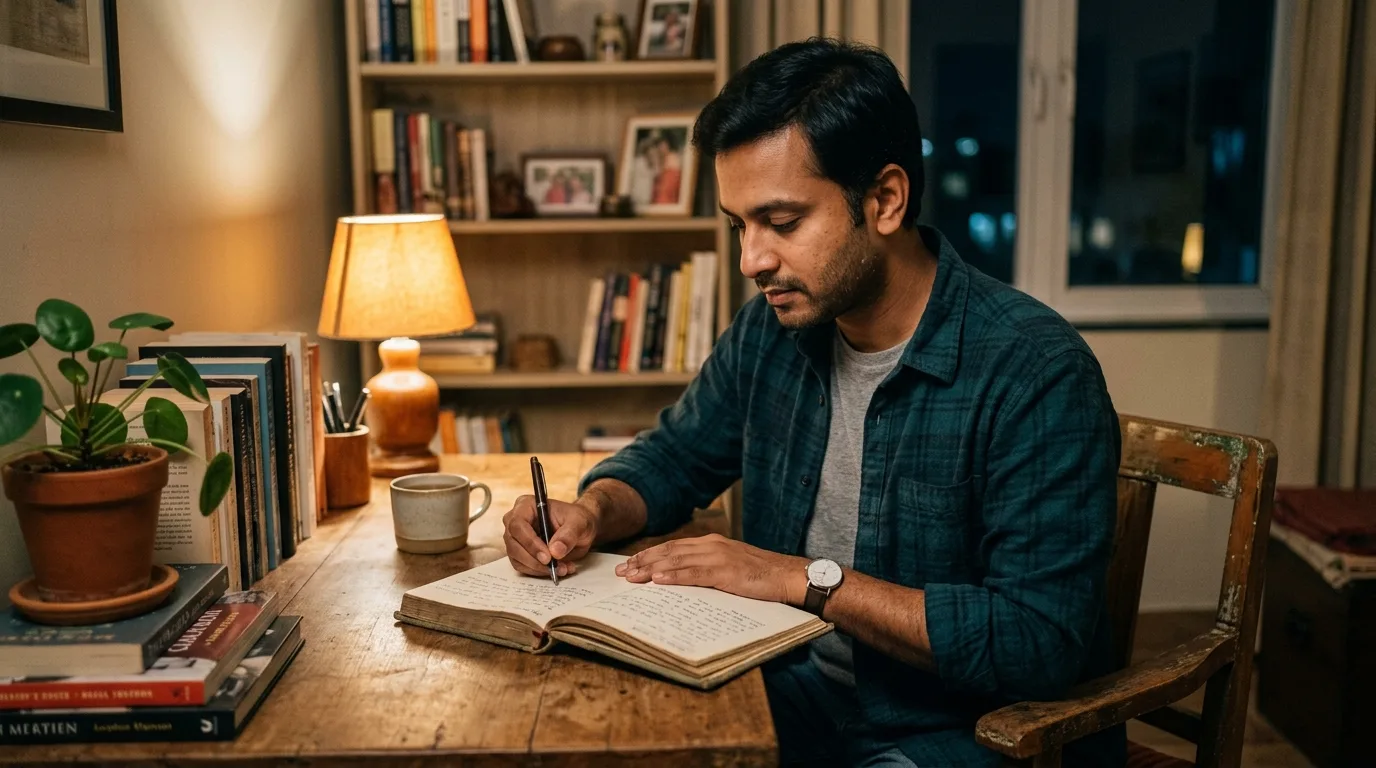
Overcoming the Stigma Around Second Marriage for Men
In many families, a divorced man is still viewed as a smaller catch than a never married one, even though the reasons behind a divorce are rarely one sided. This stigma can come from extended family, from rishta aunties who quietly rank candidates, or even from within his own household.
The healthiest way to move past this is not to argue against the stigma but to demonstrate through actions that the past marriage does not define the present character. Steady employment, emotional maturity, and clear communication with a prospective family go much further than trying to convince anyone verbally.
How to Talk to Your Family About Remarrying
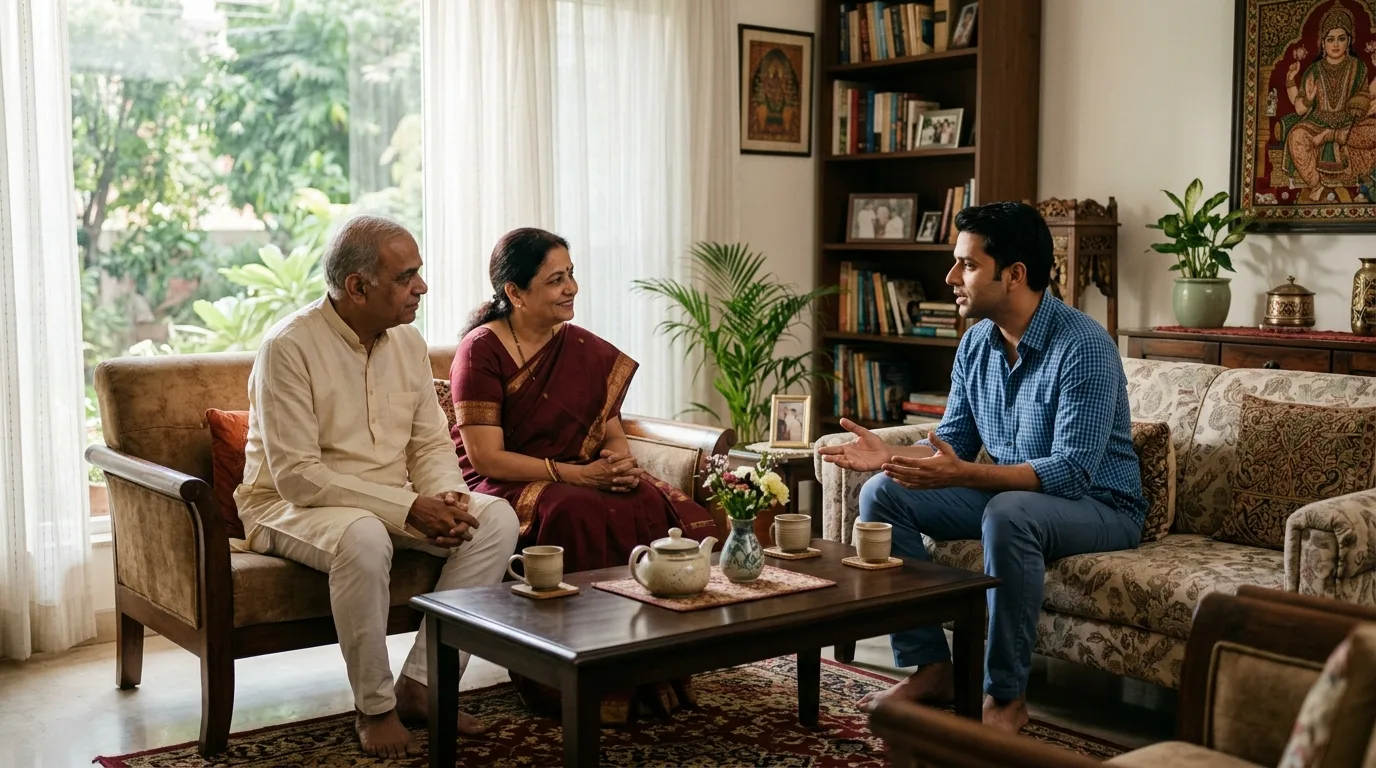
Bringing up remarriage with parents or siblings can feel awkward, especially if the divorce itself was a difficult period for the whole family. The best approach is a calm, direct conversation rather than letting the topic linger unspoken for months. Explain clearly what kind of partner you are looking for this time and why.
If children are involved from the first marriage, this is the moment to discuss how a second marriage might affect them, since family support becomes far more important when there are kids to consider. Most families respond better to a man who approaches remarriage with a plan than one who brings it up defensively.
What to Look for in a Second Marriage Rishta
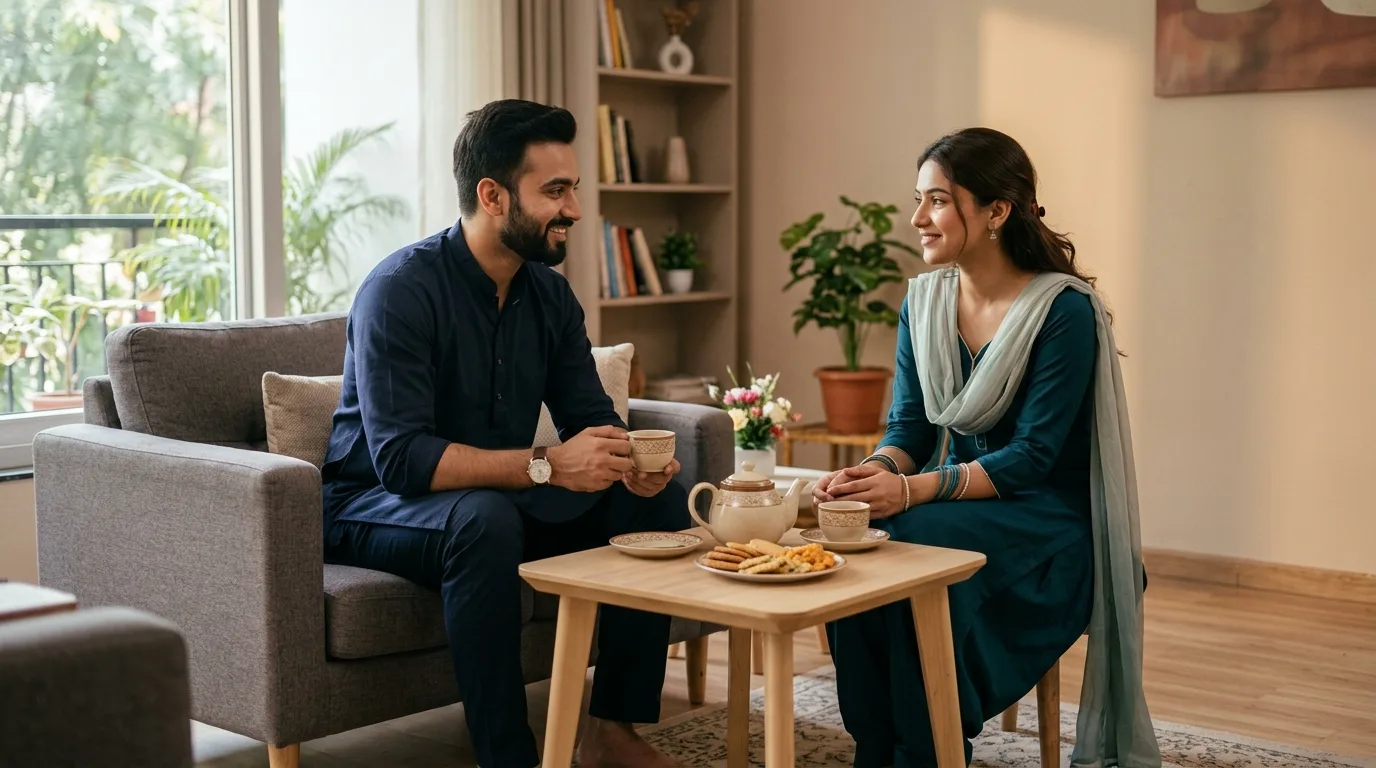
A second marriage rishta often works differently from a first one. Both sides tend to be more direct about expectations, and there is usually less patience for games or vague answers. When evaluating a potential match, pay attention to how she and her family discuss their own past, whether she is divorced, widowed, or marrying for the first time.
Genuine compatibility at this stage often has less to do with age or background and more to do with how both people define stability, communication, and long term commitment. If a rishta is arranged through a matchmaker or family contact, take time to verify details independently rather than relying only on secondhand information passed along through WhatsApp groups or distant relatives.
Being Honest About Your Past Without Oversharing
Honesty about a previous marriage is important, but there is a difference between honesty and turning every conversation into a retelling of what went wrong. A brief, respectful explanation of why the first marriage ended is usually enough for a prospective family to understand the situation. Going into excessive detail, especially anything that reflects poorly on an ex spouse, tends to raise more concern than it resolves. The goal is transparency, not a confession session.
Red Flags to Avoid During the Second Marriage Process
Not every rishta proposal for a divorced man is made in good faith. Be cautious of families who seem overly eager without asking any real questions about your life, values, or intentions, since this can sometimes signal financial motives rather than genuine interest in marriage.
Similarly, be wary of matchmakers who pressure you to move quickly or who discourage direct contact between families before an engagement. A legitimate second marriage process allows time for both sides to talk, meet extended family, and confirm details rather than rushing toward a decision.
Divorced men who approach remarriage with patience, honesty, and a clear sense of what they want tend to find far more genuine matches than those who rush the process out of loneliness or family pressure. A second marriage is not a lesser marriage. It is simply one built with more experience.
Frequently Asked Questions
Is it harder for a divorced man to remarry than a divorced woman?
Social pressure varies by family, but both divorced men and divorced women face judgment. The difference is often in how openly that judgment is expressed rather than in how real the challenge is.
Should a divorced man mention children early in the rishta process?
Yes. If children are involved, it is better to disclose this early so both families can make informed decisions before emotional investment grows.
How can a divorced man avoid fake rishta proposals?
Verify details independently, take time before committing, and be cautious of any match that avoids direct contact between families.