
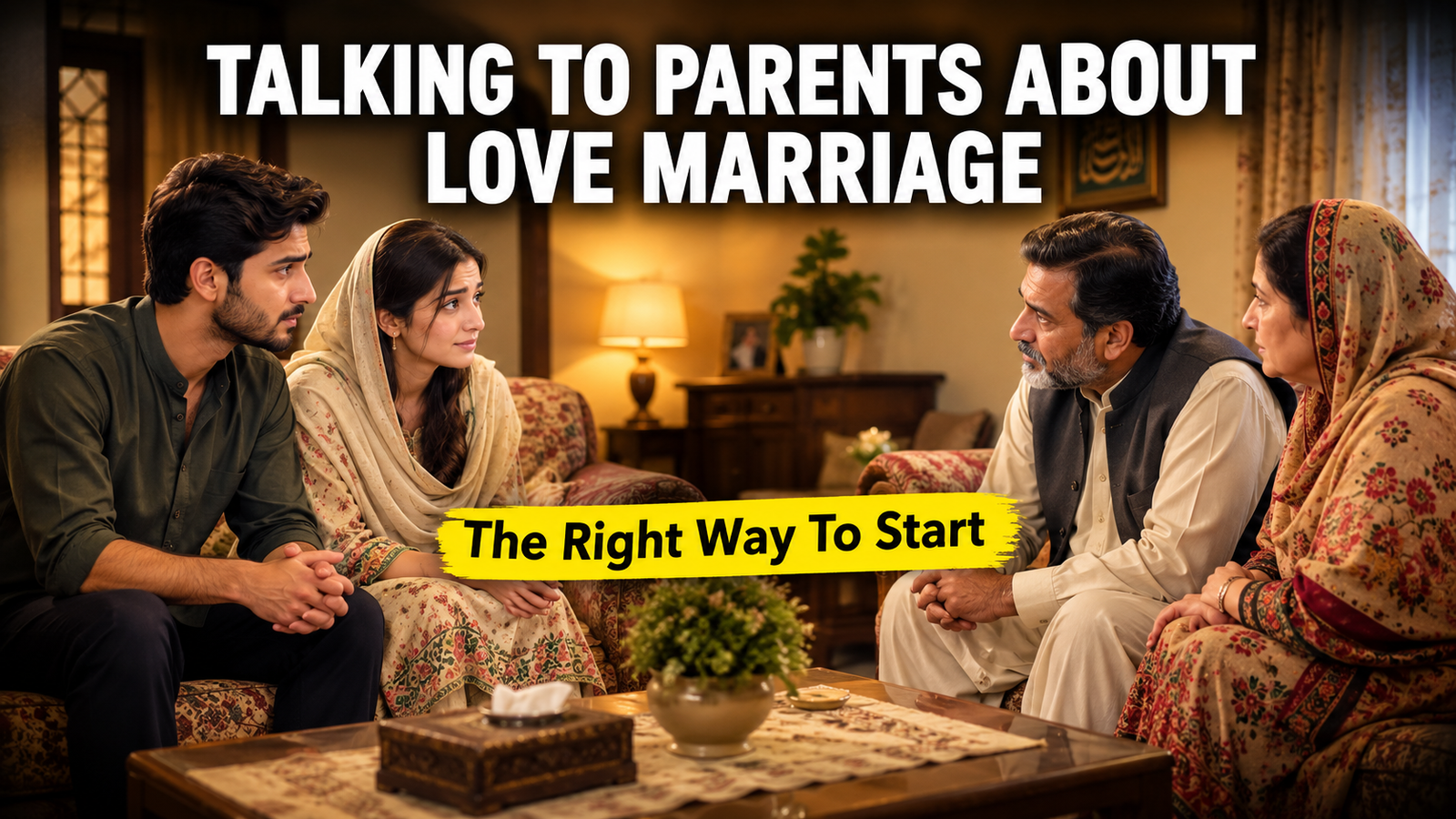
Telling your parents you want to marry someone you chose yourself, not someone they picked through a rishta process, is one of the hardest conversations a son or daughter can have in a South Asian household. It is not just about love. It is about trust, family reputation, and years of expectations built around how marriage is supposed to happen. But thousands of couples have this conversation every year and come out the other side with their parents’ blessing. The difference usually comes down to how the conversation is handled, not whether the feelings are real.
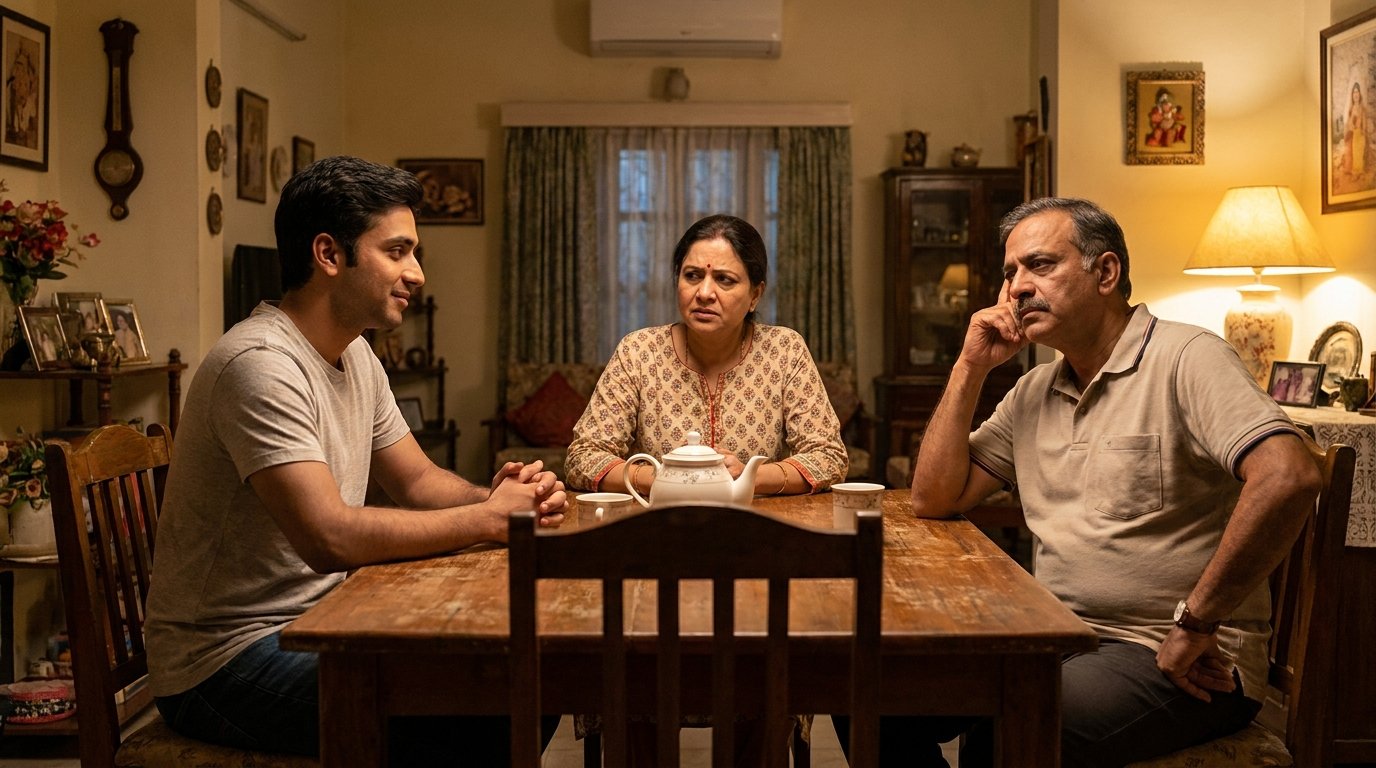
Why This Conversation Feels So Hard
For many parents, marriage was never just a personal decision. It was a family decision, often tied to community standing, financial stability, and trust in a known family background. When a son or daughter announces they have already chosen someone on their own, parents can feel sidelined, worried, or even embarrassed in front of relatives. That reaction rarely comes from a lack of love. It usually comes from fear of the unknown and fear of judgment from others.
Understanding this helps you walk into the conversation with empathy instead of defensiveness. Your parents are not necessarily against you. They are often against the uncertainty.
Before You Talk to Your Parents
Understand Their Fears First
Before bringing it up, think honestly about what your parents will worry about. Will they question the person’s family background, financial situation, caste, religion, or reputation? Will they worry about what relatives will say? Knowing their likely concerns in advance lets you prepare calm, factual answers instead of getting caught off guard.
Choose the Right Moment
Timing matters more than people realize. A rushed conversation squeezed between chores or during an argument rarely goes well. Choose a calm evening when your parents are relaxed, not stressed about work, guests, or another family matter. A private setting, without siblings or relatives around, also makes it easier for your parents to react honestly instead of performing for an audience.
How to Start the Conversation
Be Honest, Not Dramatic
You do not need a speech. Start simply. Tell them there is someone you have gotten to know and that you are serious about the relationship, and that their opinion matters deeply to you. Avoid ultimatums like threatening to leave home or marry without permission. Even if you feel strongly, framing it as a request for their guidance rather than a battle keeps the door open for dialogue instead of forcing them to defend their pride.
Introduce the Person Gradually
If possible, let your parents get to know the person as a friend or acquaintance before revealing the romantic intention. Many families in Pakistan and India respond better when they feel they discovered the person’s character themselves rather than being told to accept someone all at once. A shared meal, a casual family gathering, or a phone introduction can soften the shock significantly.

What to Do If They Say No at First
A first no is rarely a final no. Parents often say no out of shock, not conviction. Give them time to process instead of pushing immediately for a yes. Continue showing respect and patience rather than distancing yourself in anger. Answer their questions honestly, provide information about the person’s family and background if asked, and avoid painting them as villains to friends or on social media. Couples who stay calm and consistent after an initial rejection have a far higher chance of eventually winning approval than those who force the issue or elope in anger.
If your parents’ objection is not about the person but about how the marriage is happening, such as skipping traditional steps, offer to include those steps. A formal proposal, a family meeting, or a small rishta-style visit from the other family can make the process feel less like a rebellion and more like a marriage done the right way, just with a partner you chose yourself.
Building Trust Over Time
Trust is rebuilt through consistency, not one big conversation. Keep your parents updated instead of hiding details. Involve them in small decisions when possible, even if it is just asking their opinion on timing or arrangements. Over weeks and months, most parents shift from resistance to acceptance once they see the relationship is stable and that you still respect their role in the family.
It also helps to show, not just say, that the relationship is serious and healthy. If your parents see the same qualities they would want in an arranged match, such as respect, stability, and good character, the fact that you found the person yourself becomes far less important to them over time.
When to Involve a Relative or Elder
Sometimes a respected uncle, aunt, or family elder can act as a bridge when direct conversation with parents keeps stalling. Choose someone your parents trust and who is genuinely supportive of your choice, not someone who will use the situation for family politics. A well-respected mediator can reframe the conversation in a way that feels less confrontational, especially in families where direct emotional conversations between parents and children are uncommon.
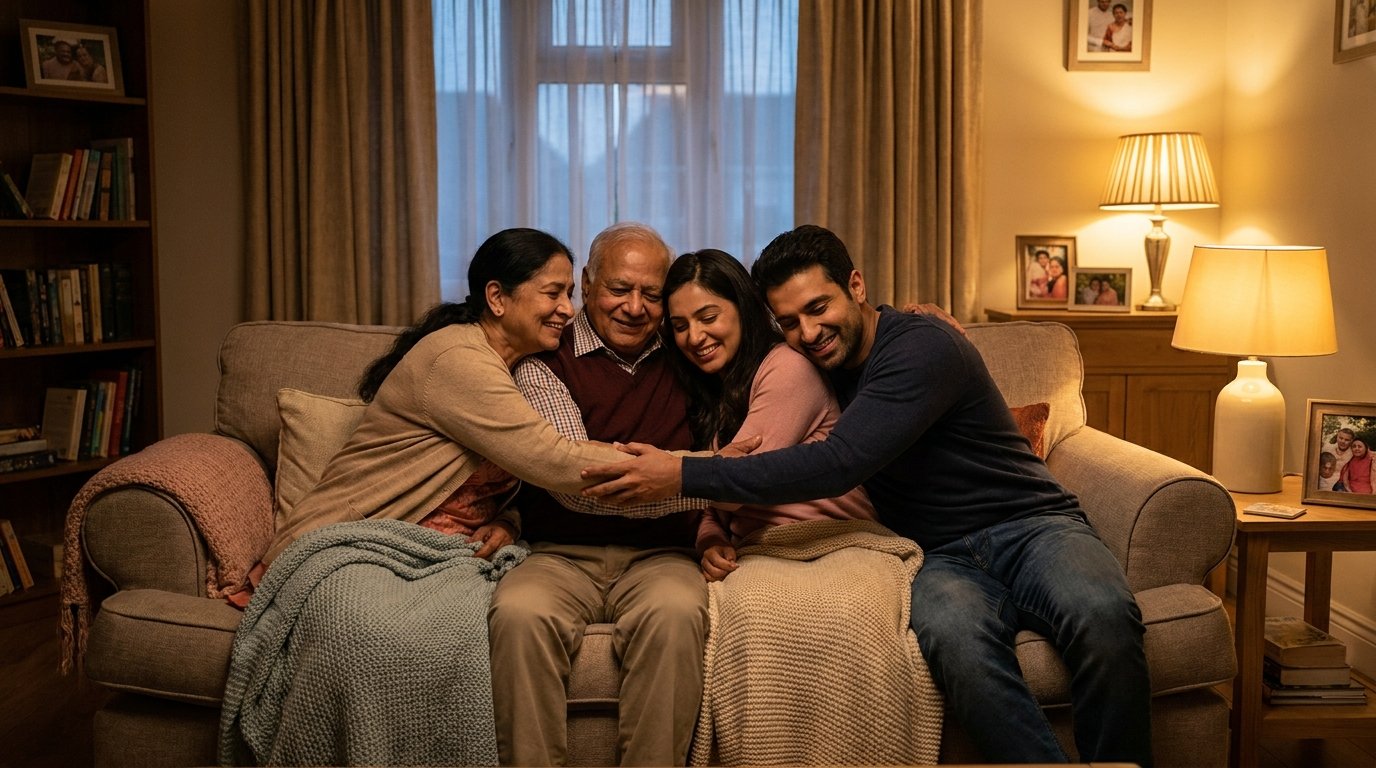
Every family is different, and there is no single script that guarantees a smooth outcome. But couples who approach the conversation with patience, respect, and honesty consistently have better results than those who rush it or turn it into a confrontation. Marriage built on love does not have to mean marriage built on conflict with your family.
FAQs
How do I tell my parents I don’t want an arranged marriage?
Be direct but respectful. Explain that you value their guidance and blessing, but that you have found someone you want to build a future with. Avoid comparing love marriage and arranged marriage as if one disrespects the other.
What if my parents refuse to meet the person I want to marry?
Give them time and keep the door open. Continue updating them gently and ask a trusted relative to help arrange an informal meeting when they are ready.
Can a love marriage still involve a formal rishta process?
Yes. Many couples combine both by having the families meet formally, even though the couple chose each other first. This often makes parents more comfortable since the marriage still follows familiar cultural steps.
How long does it usually take for parents to accept a love marriage?
It varies widely, from a few weeks to over a year. Consistency, patience, and demonstrating the relationship’s stability are the biggest factors in shortening that timeline.
2 thoughts on “How to Talk to Your Parents About a Love Marriage”