
What You Will Find In This Article
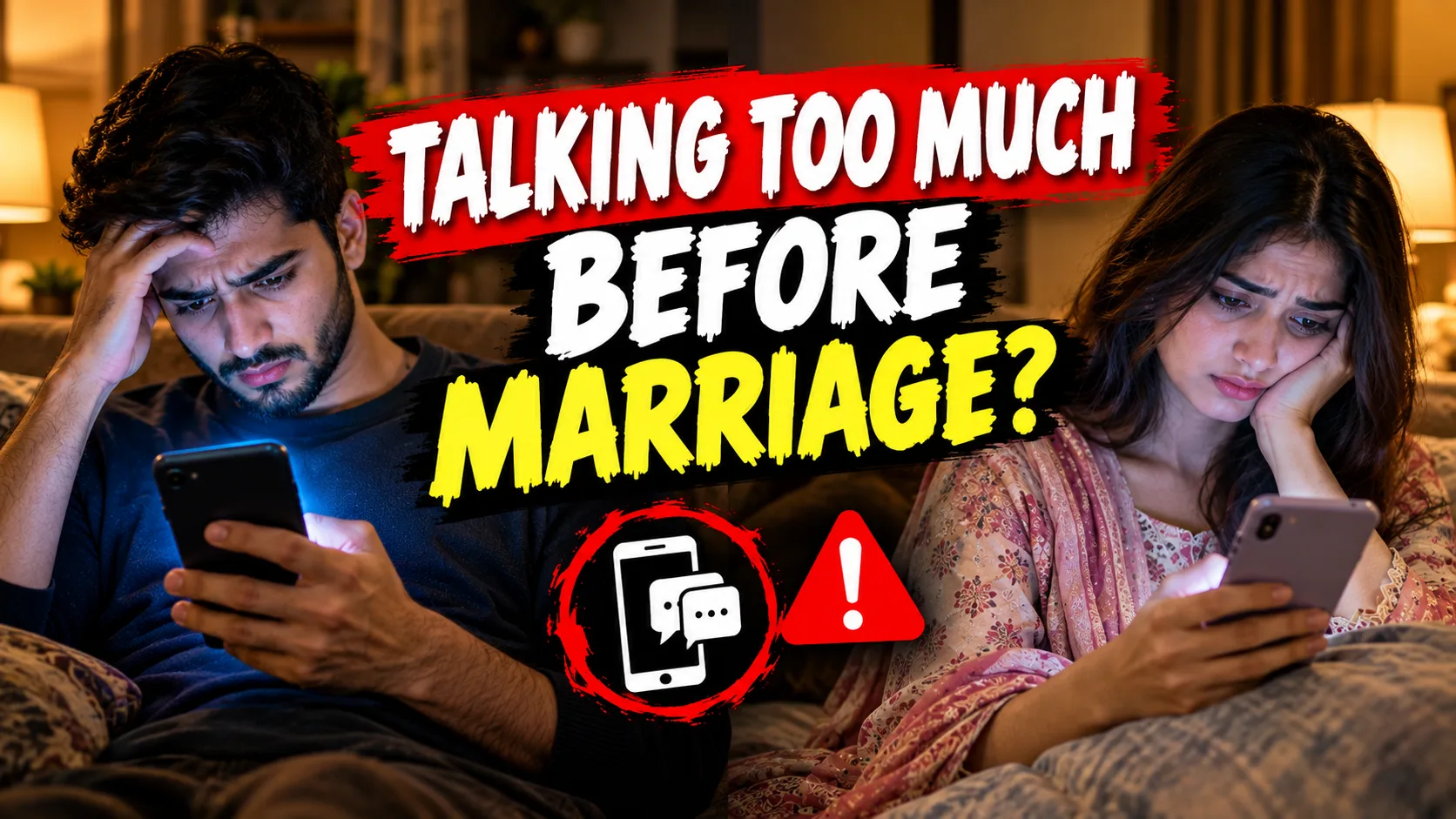
A rishta gets finalized on a Thursday, numbers get exchanged by Friday, and by the following week the calls are running past midnight. It feels completely natural. Two people who are about to build a life together want to talk. Ask a handful of counselors who deal with newlyweds, though, and a strange pattern keeps showing up. The couples who talked the most before the wedding are often the ones fighting the hardest six months into the marriage.
That sounds backwards. It isn’t.

What Actually Happens During Those Late Night Calls
Picture the average engagement call. Both people are on their best behavior. Nobody brings up money stress, nobody mentions the fight they had with their mother that morning, nobody admits to being in a bad mood for no reason. One bride from Lahore once described talking to her fiance for four hours a night, every night, for eleven straight weeks before the wedding. By the third week of actual married life, she said, they had run out of things to say to each other over dinner.
That is not a coincidence. Pre-wedding calls happen in a kind of performance mode. Both sides are auditioning. They agree more than they normally would, laugh at jokes that are not that funny, and avoid anything that might create friction before the rishta is locked in. It builds a version of the other person that is real, but incomplete. Not fake, incomplete.
Why All That Talking Rarely Survives the Wedding
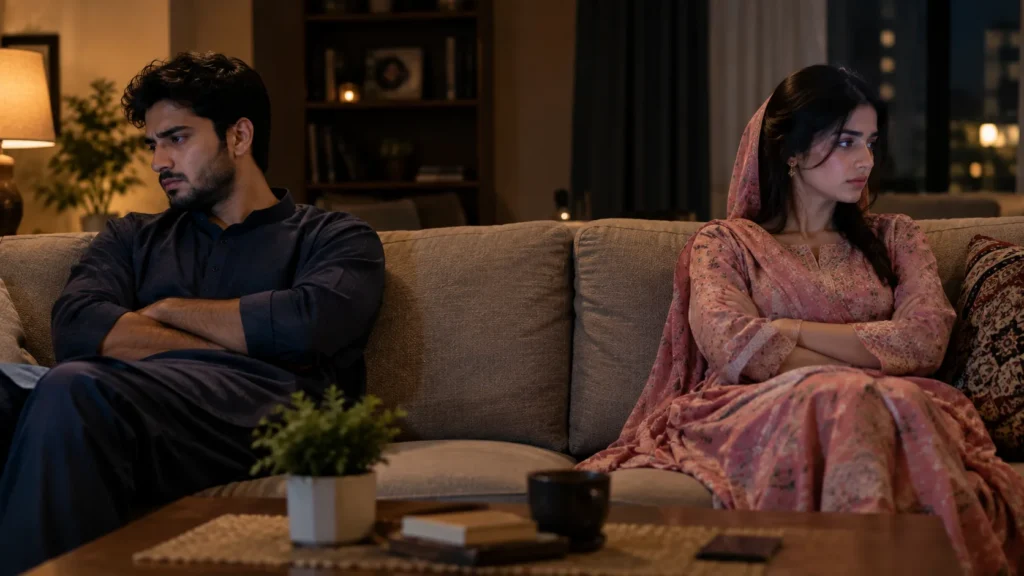
Marriage does not run on curated conversation. It runs on who does the dishes, who calls the electrician when the geyser breaks, and how someone behaves after a bad day at work. None of that shows up in three months of nightly phone calls. So when the real friction starts, and it always starts, it feels like betrayal instead of just normal life. People say things like he changed after the wedding. Usually he did not change. She is simply seeing him without the performance for the first time.
Among the couples who come up in conversation with people who run rishta groups and family friends who work in this space, a large share, easily eight out of ten by most informal counts, describe exactly this pattern. Months of talking before the wedding, followed by fights within the first year that feel more intense than anything a couple who barely spoke twice before the nikah goes through. Pre-marriage closeness does not prevent conflict. If anything, it raises expectations to a level real married life cannot meet on day one.
Arranged Marriage or Love Marriage, the Pattern Repeats
People assume this is only an arranged marriage problem, the kind where two strangers suddenly get unsupervised phone access after the families say yes. It is not. Love marriages run into the same wall from a different direction.
Couples who date for two or three years before proposing marriage to their families often talk even more than an engaged couple does, sometimes for years instead of weeks. By the time the wedding actually happens, they have built an entire relationship out of texts, calls, and curated hangouts. Real cohabitation, shared finances, and daily boredom are things neither type of couple has actually tested. The delivery method is different, chaperoned calls after a rishta on one side, years of texting on the other, but the underlying gap is identical.
Talking a lot is not the same as living together.
What Your Elders Understood Before You Did
Older generations limited contact before marriage, sometimes for reasons that had nothing to do with wisdom and everything to do with control. That part is worth being honest about. But buried inside that restrictive system was one accidental insight that still holds up. If two people are not overexposed to each other before the wedding, they walk into marriage with fewer illusions to lose.
A couple who met twice under a chaperone and married three weeks later has nowhere to go but toward each other once the wedding happens. They build the relationship live, with the actual person, not a phone-shaped version of them. It is not romantic in the Instagram sense. It works anyway, often better than the modern version everyone assumes is more evolved.
A Better Way to Get to Know Someone Before the Nikah
None of this means couples should sit in total silence until the wedding day. The problem was never talking. The problem is unstructured, unsupervised, feelings-only talking that skips the topics that actually predict a stable marriage.
A short, guided pre-marriage conversation, ideally with family involved or a counselor sitting in, covers ground that four-hour phone calls never touch. Money habits, where the couple will live, how often in-laws will visit, whether either person wants to keep working after children arrive. Counselors who specialize in arranged marriages point out that a handful of structured sessions like this often prepare a couple better than months of unsupervised calls, mainly because it forces the practical questions instead of the romantic ones.
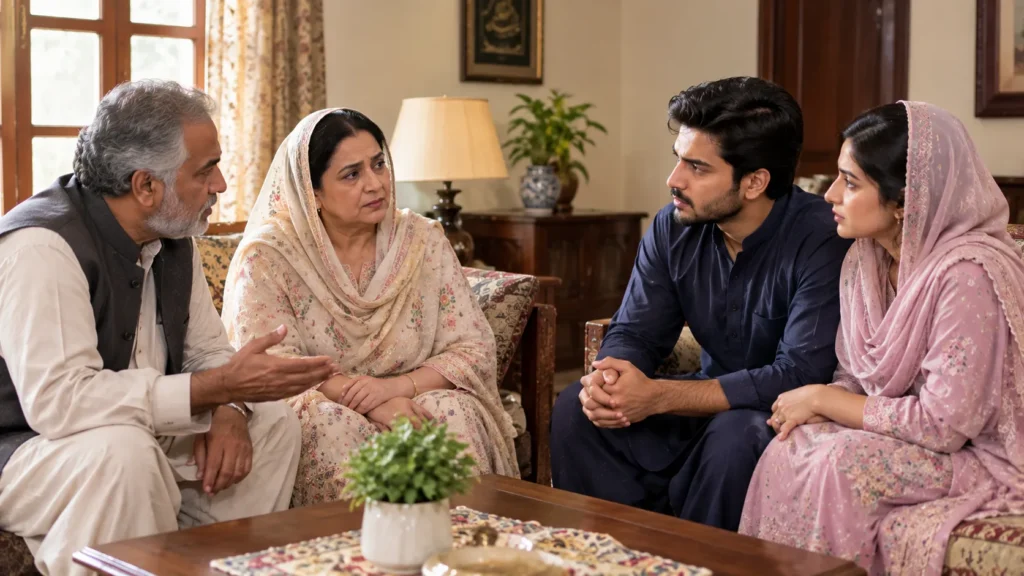
If you are navigating this with your own parents right now, talking to your parents about a love marriage the right way matters just as much as anything you discuss with your partner. Once the wedding happens, the real test is not how well you talked before it. It is how you rebuild trust the first time something goes wrong.
Frequently Asked Questions
Is talking before marriage always a bad idea?
No. The problem is not talking itself. It is months of unsupervised, unstructured phone calls that build a version of the relationship real married life cannot match on day one.
How much talking before marriage is actually healthy?
A handful of chaperoned or family-involved conversations that cover real topics, money, living arrangements, expectations, tend to prepare a couple better than weeks of nightly calls that stay purely emotional.
Does this pattern apply to love marriages too?
Yes. Long dating periods create the same gap between the curated relationship and real married life. The pattern shows up either way, only the timeline changes.
The Real Question Isn’t Whether to Talk
The real question was never whether to talk before marriage. It was what all that talking replaced. Every hour spent perfecting a phone relationship is an hour not spent asking the boring, practical questions that actually decide whether a marriage holds up.
Not because the calls were wrong. Because they answered the wrong questions.